Landmark: (703) 942-8404

By Alexandria Children's Dentistry | August 27, 2026
Fluoride is one of the simplest tools dentists use to help protect children’s teeth from cavities.
Yet parents sometimes have questions about professional fluoride treatment: Does my child really need it? Is it safe? How is it different from fluoride toothpaste? What happens during the appointment?
For families looking for pediatric fluoride treatment in Alexandria, understanding the purpose of the treatment can make the decision much easier.
What Is a Professional Fluoride Treatment?
Fluoride is a naturally occurring mineral that helps strengthen tooth enamel and improve its resistance to acid produced by cavity-causing bacteria.
A professional fluoride treatment applies a concentrated fluoride product directly to the teeth during a dental appointment.
It is different from everyday fluoride toothpaste because the dental team can apply a professional product in a controlled clinical setting based on your child’s individual needs.
Alexandria Children’s Dentistry includes fluoride treatment as part of its preventive pediatric dental services.
Why Are Children’s Teeth Vulnerable to Cavities?
Children’s teeth are exposed to many of the same cavity risks as adult teeth, but several everyday factors can make prevention challenging.
Kids may snack frequently, drink sweetened beverages, rush through brushing, or simply lack the coordination to clean every surface thoroughly.
The back teeth are especially important because their chewing surfaces contain grooves where food particles and bacteria can collect.
That is why pediatric cavity prevention usually involves several strategies rather than relying on one treatment.
How Fluoride Helps Protect Teeth
Fluoride works primarily by helping tooth enamel become more resistant to acid attacks.
It can also support the natural remineralization process that repairs early damage to enamel before a full cavity develops.
In practical terms, think of fluoride as one part of a larger defense system.
That system may include:
- Brushing with appropriate fluoride toothpaste
- Flossing when teeth touch
- Limiting frequent sugary snacks and drinks
- Routine dental examinations
- Professional cleanings
- Fluoride treatments when recommended
- Dental sealants when appropriate
Alexandria Children’s Dentistry describes preventive care as a combination of regular cleanings, fluoride, sealants, and home-care guidance.
Which Children May Benefit From Professional Fluoride?
The right preventive plan depends on the child.
A child with a history of cavities, frequent sugar exposure, enamel concerns, orthodontic appliances, or inconsistent brushing may have different preventive needs than a child with consistently healthy teeth and low cavity risk.
Your child’s dentist can consider factors such as:
- Previous cavities
- Current oral hygiene
- Diet and snacking patterns
- Fluoride exposure
- Tooth development
- Enamel quality
- Overall cavity risk
This individualized approach is more useful than assuming every child needs exactly the same preventive treatment.
Is Fluoride Treatment the Same as Fluoride Toothpaste?
No.
Fluoride toothpaste is used at home as part of a daily oral hygiene routine. Professional fluoride treatment is applied by a dental professional during an appointment.
The two approaches complement each other.
A child can have excellent brushing habits and still receive professional fluoride when the dentist believes it would provide additional protection.
Conversely, a professional fluoride treatment cannot replace brushing and flossing at home.
Fluoride vs. Dental Sealants: What’s the Difference?
Parents often confuse these two preventive treatments because both are designed to reduce cavity risk.
They work differently.
Fluoride treatment strengthens enamel and helps teeth resist acid attacks.
Dental sealants create a physical barrier over the grooves of back teeth, where food and bacteria can become trapped.
Alexandria Children’s Dentistry describes both as preventive treatments and explains that they address different aspects of cavity prevention.
Depending on your child’s age and cavity risk, a dentist may recommend one, both, or neither.
What Happens During a Pediatric Fluoride Appointment?
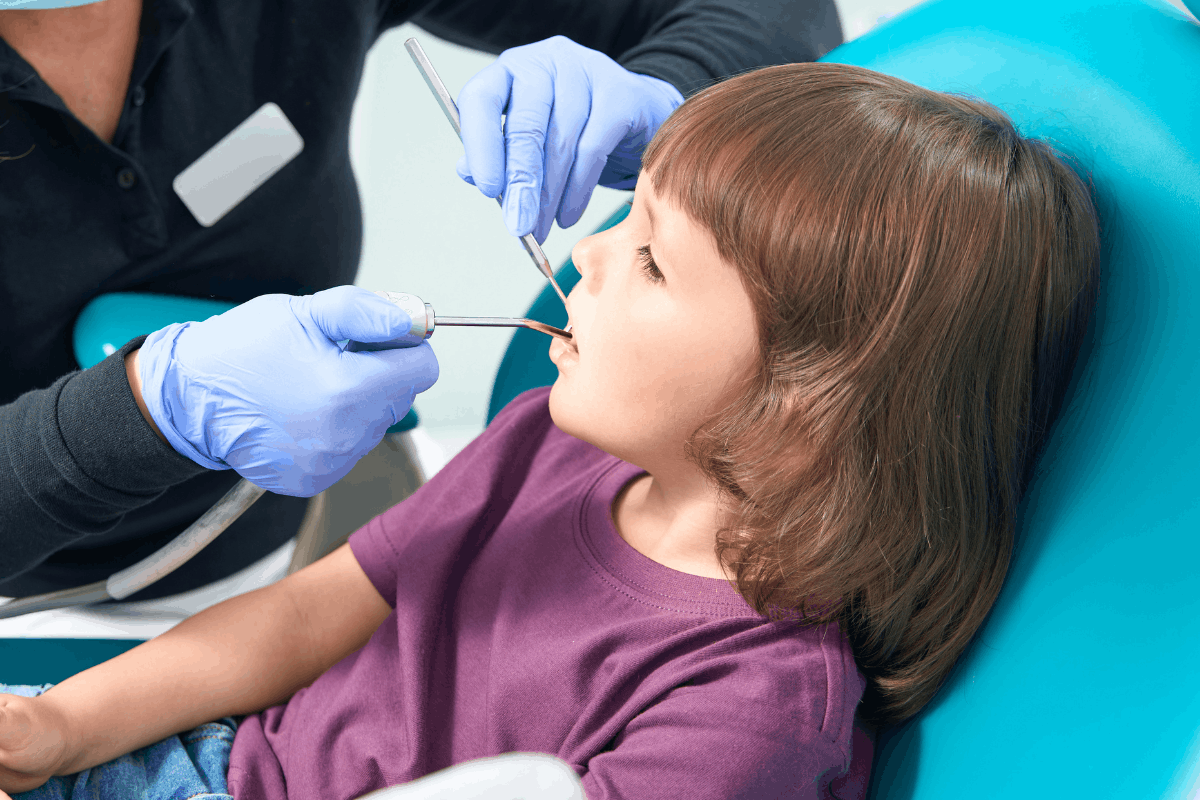
Professional fluoride application is typically quick and does not require needles or drilling.
Your child’s dentist or dental team will examine the teeth and determine which preventive care is appropriate. If fluoride is recommended, the product is applied to the teeth according to the treatment protocol.
For a child who is nervous about dental care, the process can usually be explained in simple terms:
“We’re putting a vitamin-like mineral on your teeth to help keep them strong.”
Keeping the explanation simple can prevent unnecessary anxiety.
How Often Should Children Get Fluoride Treatment?
There isn’t one schedule that applies to every child.
Some pediatric dental practices recommend fluoride treatments at routine preventive visits, while the exact frequency may depend on cavity risk and the dentist’s clinical judgment.
Alexandria Children’s Dentistry states that it recommends fluoride treatments twice a year along with cleanings as part of its preventive approach.
Your child’s dentist can tell you whether that schedule is appropriate for your child’s specific needs.
What Can Parents Do Between Fluoride Treatments?
The most effective cavity-prevention routine happens every day at home.
Help your child:
- Brush twice daily.
- Use age-appropriate fluoride toothpaste according to your dentist’s guidance.
- Floss once teeth begin touching.
- Limit frequent sugary snacks and drinks.
- Encourage water between meals.
- Keep regular dental appointments.
Young children often need hands-on help with brushing. Even when a child insists, “I can do it myself,” parents may still need to finish the job until the child has the coordination to brush thoroughly.
Should You Be Worried About Fluoride?
Fluoride is widely used in preventive dentistry, but the amount and source of fluoride exposure matter.
Parents should follow their child’s dentist’s guidance rather than adding multiple fluoride products independently.
If you have questions about fluoride toothpaste, drinking water, supplements, or professional treatments, bring them to your child’s dentist. A personalized conversation is much more useful than relying on conflicting advice from social media.
Pediatric Fluoride Treatment in Alexandria
Professional fluoride treatment is not a replacement for brushing, healthy eating habits, or regular dental visits.
Instead, it can be a valuable additional layer of protection for children’s developing teeth, particularly when a child has an elevated risk of cavities.
If you’re considering pediatric fluoride treatment in Alexandria, Alexandria Children’s Dentistry can evaluate your child’s teeth and discuss an appropriate preventive plan. Explore the practice’s Alexandria Children’s Dentistry services to learn more or schedule a visit.
FAQs
What is pediatric fluoride treatment?
It is a professional application of fluoride to a child’s teeth to help strengthen enamel and increase resistance to cavity-causing acid.
Is fluoride treatment safe for children?
Professional fluoride treatments are widely used in pediatric dentistry. Your child’s dentist determines whether treatment is appropriate based on age, oral health, cavity risk, and overall fluoride exposure.
How often should my child receive fluoride treatment?
The recommended frequency depends on your child’s individual risk factors. Alexandria Children’s Dentistry recommends fluoride treatments twice a year along with cleanings as part of its preventive approach.
Is fluoride treatment better than fluoride toothpaste?
They serve different purposes. Fluoride toothpaste provides daily protection at home, while professional fluoride treatment provides an additional preventive application during a dental visit.
Does fluoride treatment prevent all cavities?
No. Fluoride can significantly support enamel strength and cavity prevention, but it works best alongside brushing, flossing, healthy eating habits, and regular dental care.
Related Articles