Landmark: (703) 942-8404

By Alexandria Children's Dentistry | August 14, 2026
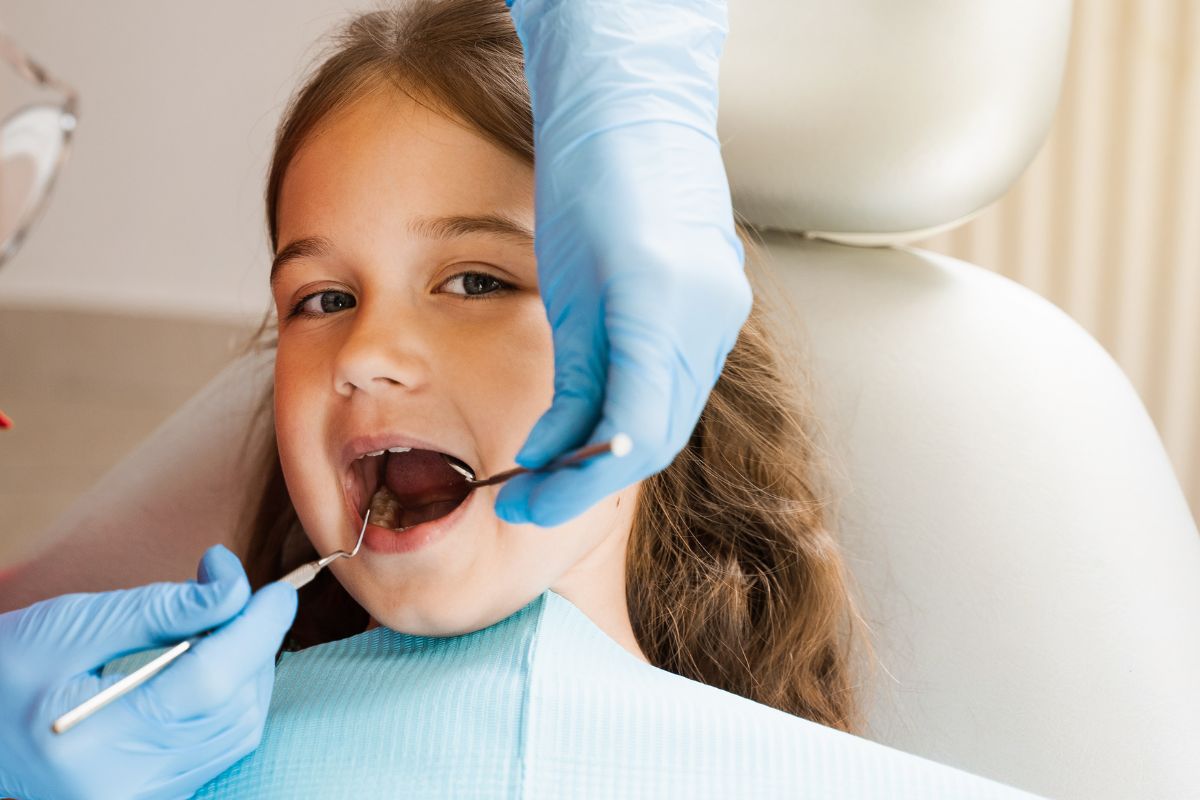
When parents search for a pediatric dentist near me, convenience is usually the starting point. But the closest dental office isn’t necessarily the best fit for your child.
Pediatric dentistry is different from adult dentistry. Children are still developing physically, emotionally, and behaviorally, so their dental care needs to account for age, growth, communication style, and comfort level.
For Alexandria families, choosing a dental home means finding a practice that can care for your child now while also helping you make smart decisions about their oral health as they grow.
Here are eight things worth considering before you schedule.
1. Look for a Dentist Who Treats Children Exclusively or Primarily
A child’s dental visit should feel different from an adult appointment.
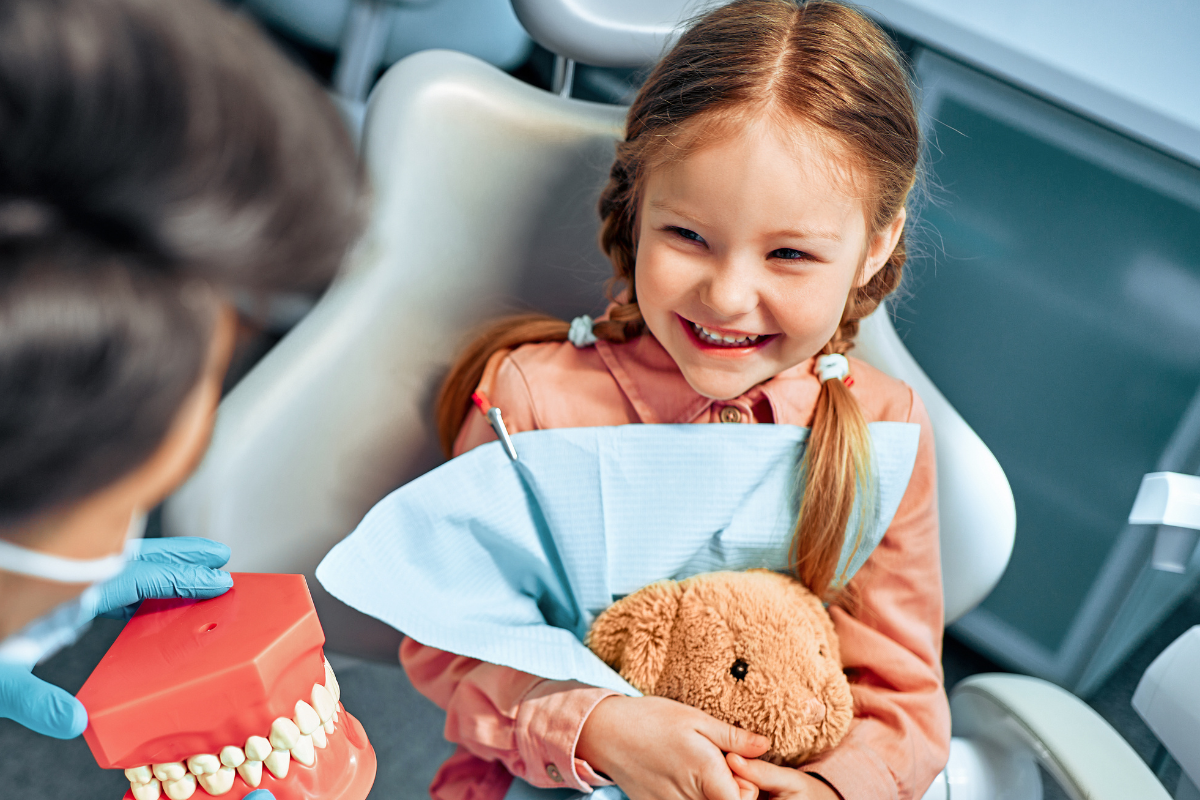
Pediatric dental practices are designed around developing smiles and the needs of younger patients. The dentist and clinical team should understand everything from primary teeth and eruption patterns to children’s dental anxiety and age-appropriate communication.
A good pediatric practice also knows that a cooperative 3-year-old and an anxious 10-year-old may need very different approaches.
At Alexandria Children’s Dentistry, care is provided for infants, children, adolescents, and children with special needs, with an emphasis on gentle, age-appropriate communication.
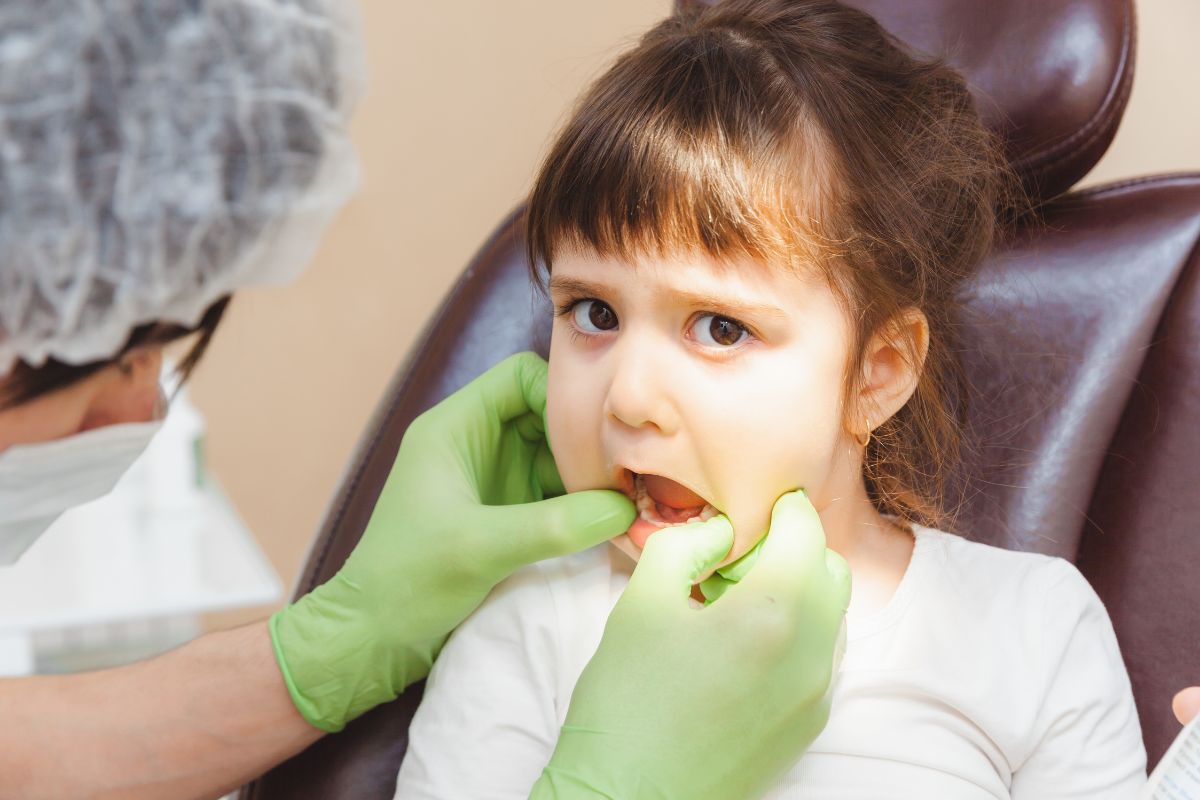
2. Ask How the Office Handles Dental Anxiety
You can learn a lot about a dental office by asking what happens when a child is nervous.
Does the team explain procedures in language children can understand? Are children given time to become comfortable? Does the practice offer options for children who need additional support?
These details matter because a difficult dental experience can affect how a child feels about dental care for years.
A child-friendly environment isn’t about distracting children from dentistry. It’s about helping them understand what is happening and giving them a sense of safety and control.
3. Consider the Practice’s Approach to Preventive Care
The best pediatric dental care isn’t limited to treating cavities after they develop.
Regular examinations, professional cleanings, fluoride treatments, sealants, home-care guidance, and monitoring of dental development can all play a role in preventing problems or catching them earlier. Alexandria Children’s Dentistry describes preventive care as a central part of its pediatric services.
When comparing practices, ask:
- How often does my child need checkups?
- Does the dentist monitor tooth eruption and bite development?
- How are cavity risks discussed with parents?
- Will the team help us improve brushing and flossing habits?
- Are preventive treatments recommended based on my child’s individual needs?
You should leave appointments knowing what your child is doing well and what needs attention.
4. Make Sure the Dentist Looks Beyond Cavities
A child’s oral health involves more than checking for decay.
As children grow, dentists can monitor tooth eruption, spacing, jaw development, bite alignment, and oral habits. These observations may help identify concerns that deserve attention before they become more complicated.
For example, a dentist may notice that a permanent tooth is struggling to erupt or that a developing bite needs closer observation.
That doesn’t automatically mean your child needs braces. It means the dental team has noticed something worth monitoring.
5. Think About What Happens If Your Child Needs More Than a Cleaning
Eventually, many children need treatment beyond routine preventive care.
Ask whether the practice provides common pediatric procedures and how the team approaches children who need fillings, crowns, extractions, emergency care, or treatment for significant dental anxiety.
Technology and treatment options can also matter. Alexandria Children’s Dentistry, for example, offers pediatric procedures as well as Solea® dental laser technology and sedation options for children who need additional comfort support.
Knowing these options in advance can save your family from having to start a new search when your child suddenly needs treatment.
6. Check Whether the Location Works for Your Family
A dental office can be excellent and still be inconvenient.
Families in Alexandria may want to consider traffic, school schedules, parking, appointment availability, and proximity to home or work.
Alexandria Children’s Dentistry has two locations: a Landmark office at 6303 Little River Turnpike and a Del Ray office at 609 East Monroe Avenue. The Landmark location serves families in areas including Kingstowne, Springfield, Annandale, and Bailey’s Crossroads, while the Del Ray office serves Del Ray, Old Town Alexandria, Arlandria, and surrounding Northern Virginia communities.
A convenient location makes it easier to maintain regular preventive appointments instead of postponing them.
7. Ask Who Will Be Caring for Your Child
Don’t hesitate to learn about the doctors.
Look for pediatric dental training, professional credentials, experience with children, and a genuine interest in working with families.
Alexandria Children’s Dentistry’s physician team includes Dr. Angela L. Austin, Dr. Melanie Jones, and Dr. Chelsea Straughn. The practice also provides information about its doctors’ pediatric training and professional memberships.
This type of information helps parents make a more informed decision than online star ratings alone.
8. Pay Attention to How the Office Communicates With Parents
A trustworthy dental practice should make it easy for parents to ask questions.
You should understand why a treatment is recommended, what alternatives exist when appropriate, what your child can expect, and what you can do at home.
You should also feel comfortable saying, “Can you explain that another way?”
Good communication isn’t an extra service. It’s part of good healthcare.
What Should You Bring to Your Child’s First Visit?
If you’re switching practices or scheduling your child’s first appointment, preparation can make the experience easier.
Alexandria Children’s Dentistry asks new patients to bring completed patient information forms and insurance cards. The first visit may include a review of medical and dental history, appropriate X-rays, a cleaning, an examination, and discussion of an individualized treatment plan when needed.
Try to avoid building unnecessary fear around the appointment. Simple language such as “The dentist is going to count your teeth and help you keep them healthy” is often easier for a child to process than a detailed explanation of every possible procedure.
When Should You Search for a Pediatric Dentist?
Don’t wait until your child has a toothache.
The American Academy of Pediatric Dentistry recommends that children establish dental care by their first birthday or within six months after the first tooth erupts. Early visits allow the dental team to monitor development and help children become familiar with the dental environment.
If your child already has a dentist, the next step may simply be maintaining regular visits. If you’re new to Alexandria, changing practices, or concerned about your child’s teeth, now is a good time to establish a dental home.
Choosing a Pediatric Dentist Near You in Alexandria
Searching for a pediatric dentist near me should lead to more than a map result.
Look for a practice that understands children’s dental development, prioritizes prevention, communicates clearly, and can adapt care to your child’s individual needs. Location matters, but so does the experience your child has every time they walk through the door.
Alexandria Children’s Dentistry welcomes new patients at its Landmark and Del Ray locations. If you’re looking for a pediatric dental home in Alexandria, VA, you can explore the practice’s Alexandria Children’s Dentistry services and schedule a visit with the team.
FAQs
When should my child first see a pediatric dentist?
The American Academy of Pediatric Dentistry recommends a first dental visit by age one or within six months of the first tooth appearing. Early visits help establish healthy habits and allow the dentist to monitor development.
How often should children see the dentist?
Most children benefit from dental checkups about every six months, although some children may need more frequent visits based on their individual oral health needs.
What is the difference between a pediatric dentist and a general dentist?
Pediatric dentists receive specialized training focused on children’s developing teeth, jaws, behavior, communication, and dental needs. Their offices and treatment approaches are also often designed specifically for younger patients.
What should I look for in a pediatric dentist near me?
Consider pediatric experience, preventive care, communication, treatment options, emergency availability, location, and whether the team creates a comfortable environment for children.
Does my child need a pediatric dentist if they have healthy teeth?
Yes. Preventive dental visits are valuable even when your child has no symptoms. Regular examinations help monitor development and reinforce healthy habits before problems arise.