Landmark: (703) 942-8404

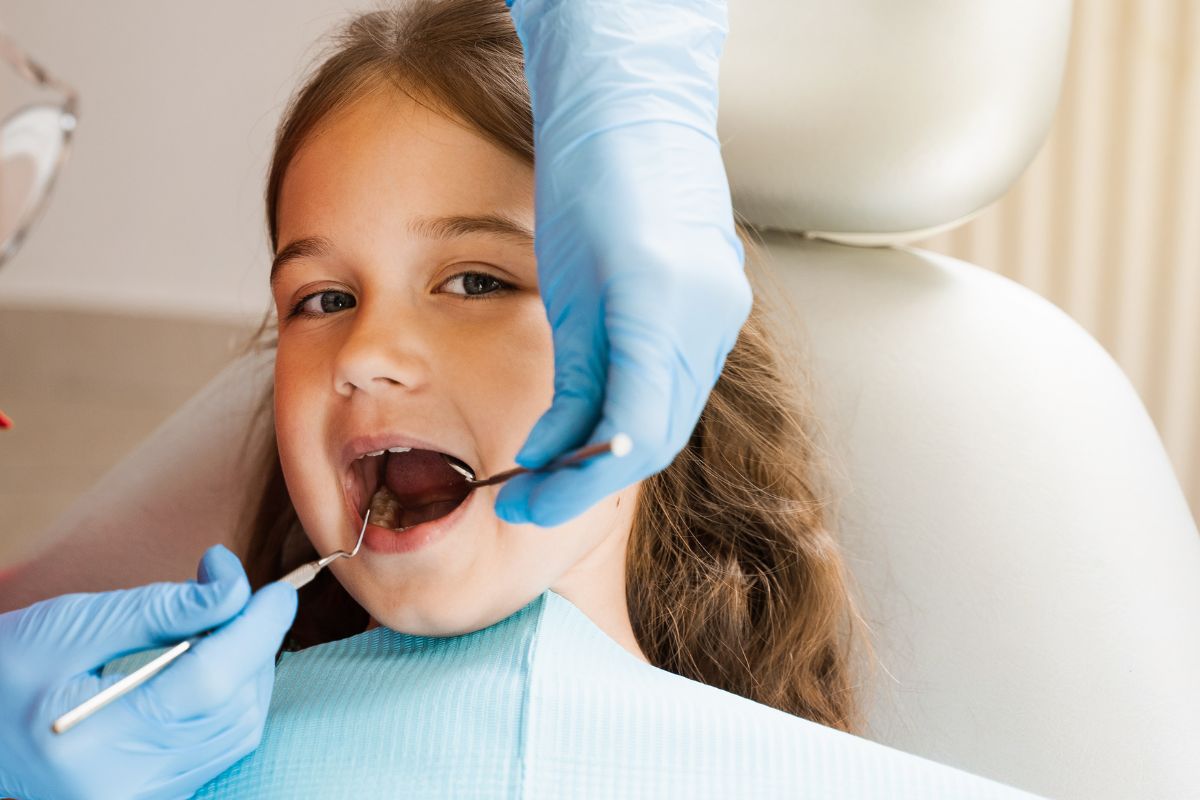
By Alexandria Children's Dentistry | September 14, 2026
A dental visit that seems simple to one child can feel overwhelming to another.
Bright lights, unfamiliar sounds, strong smells, unexpected touch, and the sensation of dental instruments can be difficult for children with sensory sensitivities. Some children may become anxious before they even sit in the dental chair.
Finding the right children dentist in Alexandria is about more than looking for a colorful office. Families may need a dental team that understands how sensory differences can affect communication, cooperation, and comfort.
What Are Sensory Sensitivities at the Dentist?
Sensory sensitivity means a child may respond more strongly to certain sights, sounds, textures, smells, or physical sensations.
At a dental office, common triggers can include:
- The sound of dental instruments
- Bright overhead lights
- The vibration of a cleaning tool
- The taste or texture of dental materials
- Someone working inside the child’s mouth
- Sitting still for an extended period
- Unexpected changes in the appointment
A child may react by covering their ears, refusing to open their mouth, crying, becoming restless, or trying to leave the treatment area.
That reaction doesn’t necessarily mean the child is being difficult.
It may be the child’s way of communicating that the environment feels overwhelming.
Why Pediatric Dental Care Can Make a Difference
Pediatric dentists work with children at different developmental stages and understand that cooperation can vary from one child to another.
A three-year-old who becomes upset during a cleaning may need a different approach from a twelve-year-old who understands the procedure but has strong sensory sensitivities.
The dental team can adjust communication and pacing based on the child’s needs.
Alexandria Children’s Dentistry specifically states that it serves children with sensory sensitivities, developmental differences, anxiety, and previous negative dental experiences and uses a trust-first approach.
Start by Telling the Dental Team What Your Child Needs
Parents sometimes worry that they are giving the dentist “too much information.”
In reality, details about your child’s preferences can be extremely useful.
Before the appointment, tell the office if your child:
- Dislikes loud noises
- Becomes distressed by unexpected touch
- Needs extra processing time
- Communicates differently
- Has difficulty with changes in routine
- Has a strong gag reflex
- Becomes anxious around medical equipment
- Has had a difficult dental experience before
Specific information is more helpful than simply saying, “My child hates the dentist.”
For example, “He becomes anxious when people touch his face without warning” gives the dental team something they can work with.
How Can Parents Prepare a Sensitive Child?
Preparation doesn’t have to be complicated.
A few days before the appointment, explain what will happen using simple, neutral language.
You might say:
“First, we’ll meet the dentist. Then they’ll look at your teeth. They may use a small mirror and count your teeth.”
Avoid describing procedures in frightening terms.
It can also help to practice opening the mouth at home for a few seconds. The goal isn’t to recreate a dental appointment. You’re simply helping your child become familiar with the idea of someone looking at their teeth.
Ask for a Predictable Appointment
Children with sensory sensitivities often do better when they know what comes next.
Parents can ask the dental office:
- How long will the visit take?
- Can we explain the steps before treatment?
- Can my child take a short break if needed?
- Can I stay nearby?
- Can the team use simple, direct instructions?
- Can we tell my child before touching their mouth or face?
These requests aren’t about making dentistry easier for parents.
They’re about helping the child understand and participate in the experience.
Give Your Child Appropriate Choices
Small choices can provide a sense of control.
For example, if the dental team allows it, your child might choose:
- Which color toothbrush to use
- Whether to sit in the chair independently or with assistance
- Which flavor of an available dental product they prefer
- Whether to listen to music during an appropriate part of the visit
Choices should remain within the boundaries of safe dental care.
A child shouldn’t be asked to decide whether medically necessary treatment happens. Instead, offer choices around the parts of the appointment where flexibility is possible.
What If Your Child Refuses to Cooperate?
Don’t turn the dental appointment into a battle at home.
If your child is already anxious, repeated warnings such as “You have to be good at the dentist” may increase pressure.
Instead, describe the appointment as something the dental team will work through together.
The dentist may use behavior guidance, gradual exposure, communication techniques, breaks, or other approaches depending on the child’s age and circumstances.
For some children, additional comfort support may eventually be considered, but that decision should be individualized.
Sensory Sensitivity Does Not Automatically Mean Sedation
This distinction matters.
A child can have sensory sensitivities and still complete dental treatment without sedation.
Alexandria Children’s Dentistry lists sedation as one possible service for children who need additional support, while also emphasizing individualized decision-making.
The first step should be understanding what makes your child’s dental experience difficult.
Sometimes the solution is simply changing the way the visit is introduced and paced.
Look for a Long-Term Dental Home
Children benefit when dental care becomes familiar.
Seeing the same pediatric dental team can allow staff to learn your child’s communication style, triggers, preferences, and successful coping strategies.
Over time, something that initially felt unfamiliar can become part of the child’s normal routine.
That can be particularly valuable for children who need more predictability than the average dental patient.
Choosing a Children Dentist in Alexandria
The right children dentist in Alexandria isn’t necessarily the practice with the most toys or the shortest appointment.
Look for a dental team that listens to parents, respects the child’s communication style, explains what is happening, and adjusts care when reasonable.
Alexandria Children’s Dentistry offers pediatric care for children with sensory sensitivities and other individual needs at its Alexandria locations. Families can review the practice’s Alexandria Children’s Dentistry services to learn more about pediatric and special-needs dental care.
A positive dental relationship is built visit by visit. For a sensitive child, the right first step may simply be finding a team willing to meet them where they are.
FAQs
How can I find a children dentist in Alexandria for a sensory-sensitive child?
Look for a pediatric dental practice that specifically discusses sensory sensitivities, anxiety, developmental differences, and individualized behavior guidance. Ask how the team adapts appointments for children who become overwhelmed.
Should I tell the dentist about my child’s sensory triggers?
Yes. Information about sounds, touch, smells, communication, routines, and previous dental experiences can help the team plan a more comfortable visit.
Can a sensory-sensitive child receive dental treatment without sedation?
Often, yes. Sedation is not automatically required. Dentists may use communication, behavior guidance, gradual exposure, breaks, and other comfort strategies depending on the child’s needs.
Should I stay with my child during a dental visit?
That depends on the child’s age, treatment, office policies, and individual circumstances. Discuss your preference with the dental team before the appointment.
What should I say to a child who is afraid of the dentist?
Use simple, neutral language and avoid frightening descriptions. Explain what will happen without promising that every sensation will be completely painless or comfortable.