Landmark: (703) 942-8404
By Alexandria Children's Dentistry | September 21, 2026
Getting through the dental procedure is only part of the experience.
If your child receives sedation, parents also need to know what recovery may look like once they leave the dental office. Understanding what is normal—and what deserves a call to the dental team—can make the hours after treatment much less stressful.
For families considering kid’s sedation dentistry in Alexandria, aftercare should be part of the conversation before the appointment, not an afterthought.
Recovery Depends on the Type of Sedation
There is no single recovery timeline for every child.
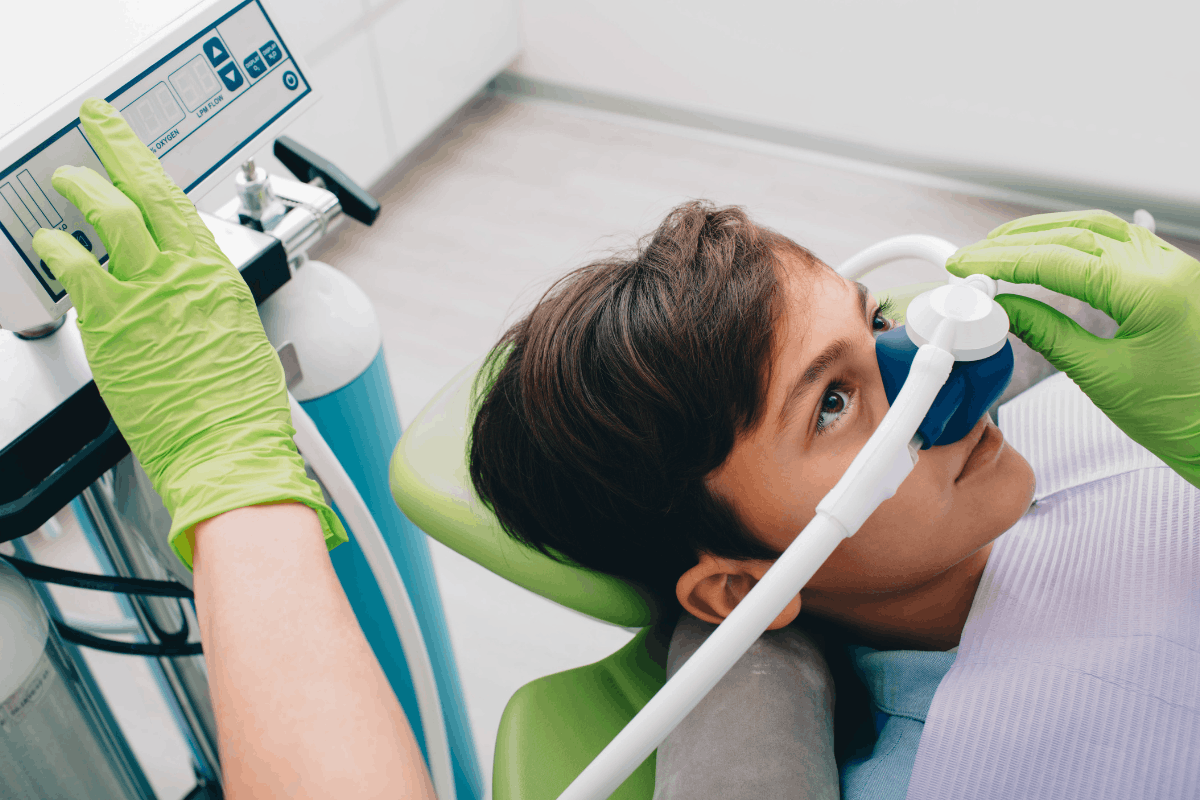
A child who receives nitrous oxide may become alert quickly after the gas is stopped. General anesthesia involves a deeper level of anesthesia and requires more extensive recovery monitoring and instructions.
Alexandria Children’s Dentistry offers nitrous oxide and, when clinically appropriate, general anesthesia with board-certified pediatric anesthesiologists. The practice states that sedation decisions are individualized based on the child’s needs and treatment.
The instructions given to your family for your child’s specific procedure should always take priority over general online advice.
What Can a Child Feel After Sedation?
After sedation, a child may not immediately behave exactly as they normally do.
Depending on the type of sedation and dental treatment, parents may notice:
- Sleepiness
- Mild grogginess
- Temporary changes in mood
- A need for extra rest
- Reduced appetite
- Mild discomfort related to the dental procedure
These effects can vary from child to child.
Your dental and anesthesia team should tell you what to expect before you leave the office.
Let Your Child Rest
Once you’re home, keep the environment calm.
A child who has received sedation may not be ready for a full afternoon of normal activity. Avoid scheduling sports, parties, errands, or other demanding activities unless the dental or anesthesia team has specifically said they are appropriate.
For general anesthesia, follow the team’s instructions closely regarding activity and supervision.
The American Academy of Pediatric Dentistry and American Academy of Pediatrics emphasize appropriate monitoring, recovery, and discharge instructions for pediatric sedation.
What About Food and Drinks?
Food and drink instructions can vary depending on the sedation method and the dental procedure.
Do not assume your child can immediately eat their normal meal simply because they are awake.
Follow the instructions provided by your dental and anesthesia team. If your child has had dental treatment that affects the mouth or gums, the dentist may also recommend particular foods or textures for comfort.
If you’re unsure whether your child is ready to eat or drink, call the office rather than guessing.
Be Careful With Numbness
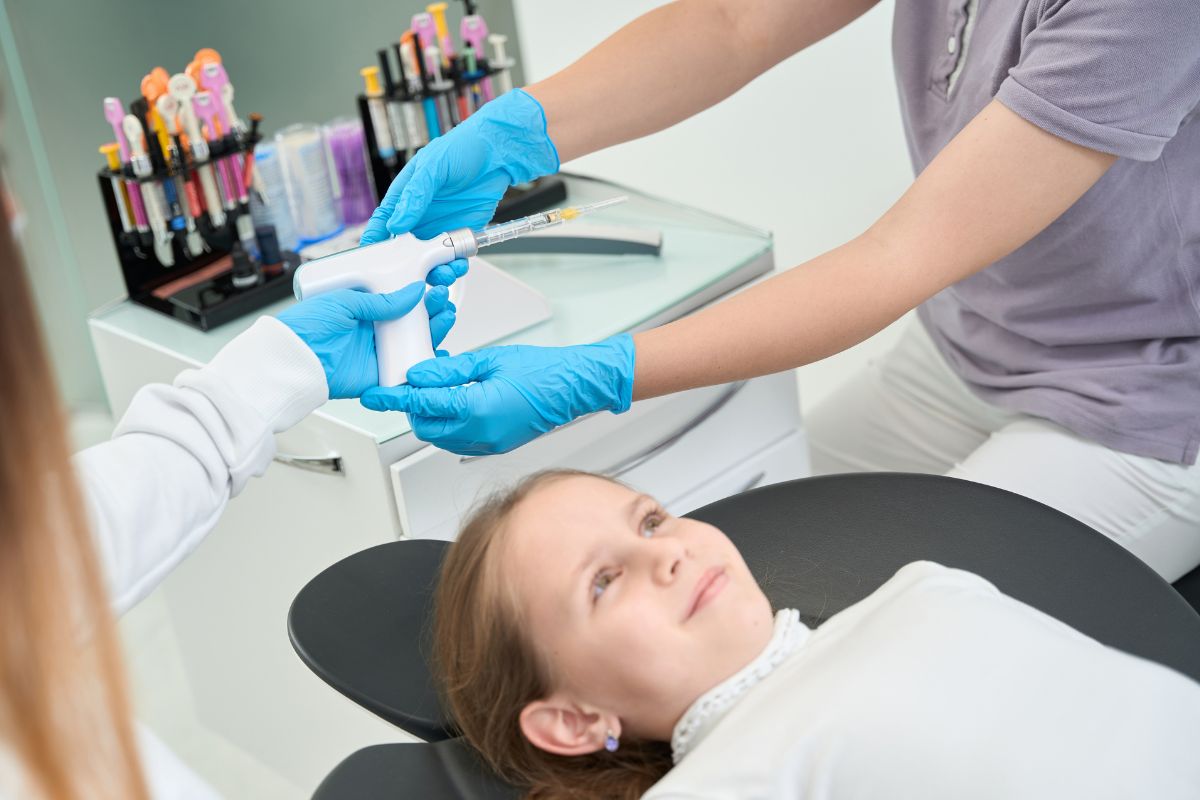
Dental treatment may involve local anesthetic in addition to sedation.
That means your child can sometimes be awake and feel fine while part of the mouth remains numb.
This can create a problem if a child bites their cheek, lip, or tongue without realizing it.
Until normal sensation returns, supervise your child closely and follow the dental team’s instructions about eating and drinking.
A child may not understand why biting their lip hurts later if they didn’t feel the bite when it happened.
Medication: Follow the Dentist’s Instructions
If your child has discomfort after dental treatment, use only the medication and dosage recommended by the dental or medical team.
Do not give your child an unfamiliar medication simply because another parent recommended it online.
The appropriate medication depends on factors such as your child’s age, weight, medical history, allergies, and the procedure performed.
If your child’s instructions are unclear, call the dental office.
What Should Parents Watch for at Home?
Parents should know the difference between expected recovery and symptoms that require professional attention.
Contact your dental or anesthesia team if your child has concerning symptoms, particularly if they are worsening rather than improving.
Seek emergency medical care for serious symptoms such as difficulty breathing, inability to stay awake appropriately, severe allergic symptoms, uncontrolled bleeding, or another medical emergency.
The AAPD/AAP sedation guidelines emphasize that children should be monitored appropriately until they have recovered to their presedation level of consciousness before discharge.
Keep the Rest of the Day Simple
A quiet recovery period is often the easiest approach.
Instead of planning a busy afternoon, consider:
- Reading together
- Watching a quiet movie if permitted
- Resting
- Offering fluids and foods according to the dental team’s instructions
- Keeping your child supervised
- Following all written discharge instructions
The goal is not to keep your child entertained.
It’s to give the body time to recover.
What About Returning to School?
The answer depends on the type of sedation, the dental procedure, and your child’s recovery.
Alexandria Children’s Dentistry notes that nitrous oxide wears off quickly and that most children can return to normal activities shortly afterward.
General anesthesia is different and may require more recovery time.
Always follow the individualized instructions provided by your child’s dental and anesthesia team rather than using another child’s recovery timeline as a guide.
Before Leaving the Dental Office, Ask These Questions
Parents sometimes remember only half of the instructions once the appointment is over.
Before leaving, ask:
- When can my child eat and drink?
- What foods should we avoid?
- When can my child return to school?
- When can my child resume physical activity?
- What medication should we use if there is discomfort?
- How long should we expect drowsiness or other effects?
- Who should we call if we are worried?
- What symptoms require immediate medical attention?
Write the answers down or keep the printed instructions somewhere easy to find.
How Long Does Nitrous Oxide Take to Wear Off?
Nitrous oxide is different from deeper forms of sedation.
Alexandria Children’s Dentistry states that its effects wear off rapidly after the mask is removed and that most children return to their normal level of alertness within minutes.
That doesn’t mean parents should ignore the dental team’s instructions.
The procedure itself, local anesthetic, and your child’s individual response may affect what happens after the appointment.
General Anesthesia Requires More Planning
When general anesthesia is used, parents should expect a more structured recovery process.
Alexandria Children’s Dentistry states that its general anesthesia cases involve board-certified anesthesiologists specializing in pediatric care and that families receive preparation and recovery instructions.
AAPD guidance also emphasizes presedation evaluation, appropriate monitoring, airway management, recovery, and discharge instructions as parts of safe pediatric sedation care.
That is why parents should never rely on a generic “sedation recovery” checklist instead of the instructions given for their child.
Kid’s Sedation Dentistry in Alexandria: Plan for Recovery, Too
Sedation is only one part of pediatric dental care.
A good plan includes evaluating whether sedation is appropriate, choosing the right level of support, monitoring the child during treatment, and giving parents clear instructions for what happens afterward.
If your child may need sedation, Alexandria Children’s Dentistry can discuss the available options and what recovery may involve. Explore the practice’s Alexandria Children’s Dentistry services or contact the office to discuss your child’s individual needs.
FAQs
How long does it take a child to recover from dental sedation?
Recovery varies by sedation type, the child’s health, and the dental procedure. Nitrous oxide generally wears off quickly, while general anesthesia requires more extensive recovery and supervision.
Can my child eat normally after sedation?
Follow the specific food and drink instructions provided by the dental and anesthesia team. The appropriate timing can vary depending on the sedation and dental treatment.
Can my child go to school after nitrous oxide?
Alexandria Children’s Dentistry states that most children can return to normal activities shortly after nitrous oxide because its effects wear off rapidly. Follow your child’s individualized instructions.
What should I do if my child is unusually difficult to wake after sedation?
Follow the emergency instructions provided by your dental and anesthesia team. If your child has difficulty breathing, cannot be appropriately awakened, or appears to have a serious medical problem, seek emergency medical care immediately.
Can children be groggy after dental sedation?
Yes. Recovery varies by the type of sedation and the individual child. Your dental team should explain what level of drowsiness is expected and when to seek help.
Who administers general anesthesia at Alexandria Children’s Dentistry?
The practice states that general anesthesia is administered with board-certified anesthesiologists who specialize in pediatric care.